ArtSafe Exchange – Cambodia-Japan Dialogue on Safeguarding
CICADA, in collaboration with General Incorporated Association Arts Workers Japan, implemented the project “ArtSafe Exchange: Cambodia-Japan Dialogue on Safeguarding for Artist and Cultural Workers” to promote awareness, dialogue, and practical action toward ensuring the rights, safety, and wellbeing of artists and cultural workers in Cambodia. The project is funded by The Japan Foundation, Phnom Penh Liaison Office.
The initiative brought together artists, cultural practitioners, and arts organizations to explore how the cultural and creative industries can foster safer, fairer working environments through knowledge exchange and collaborative discussion.
Panel Sharing: Learning from Japan’s Experiences
On February 24, 2026, CICADA hosted a public panel sharing shared by Megumi Morisaki, a very strong Japanese advocate and the President of General Incorporated Association of Arts Workers Japan.
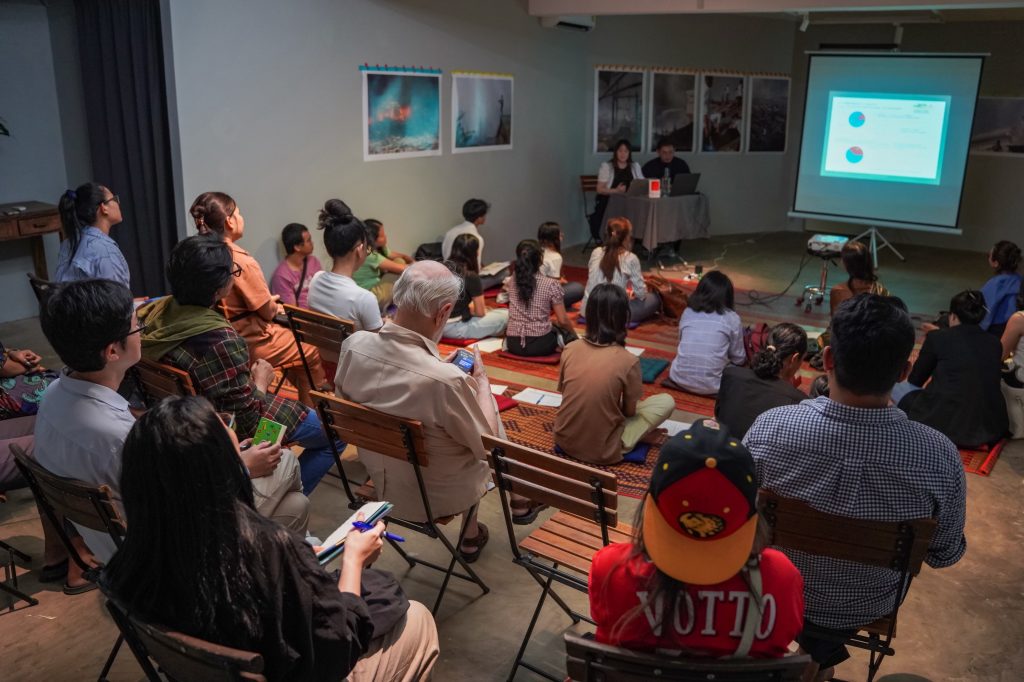
During the session, Ms. Morisaki shared research findings and insights on the realities and working conditions of artists and cultural workers in Japan. With all the challenges they face, she shared how a artist-led association like Arts Worker Japan advocate for the safe working environment for artists and be the first one to successfully push for social protection for artists and cultural workers and marking an important milestone in the recognition of artists as workers in Japan.
The discussion also explored practical advocacy strategies and collective approaches that have helped strengthen protections for artists in Japan, offering valuable lessons and inspiration for Cambodia’s cultural and creative industries community.
Interactive Workshop: Towards Safeguarding Guidelines for Arts Workers
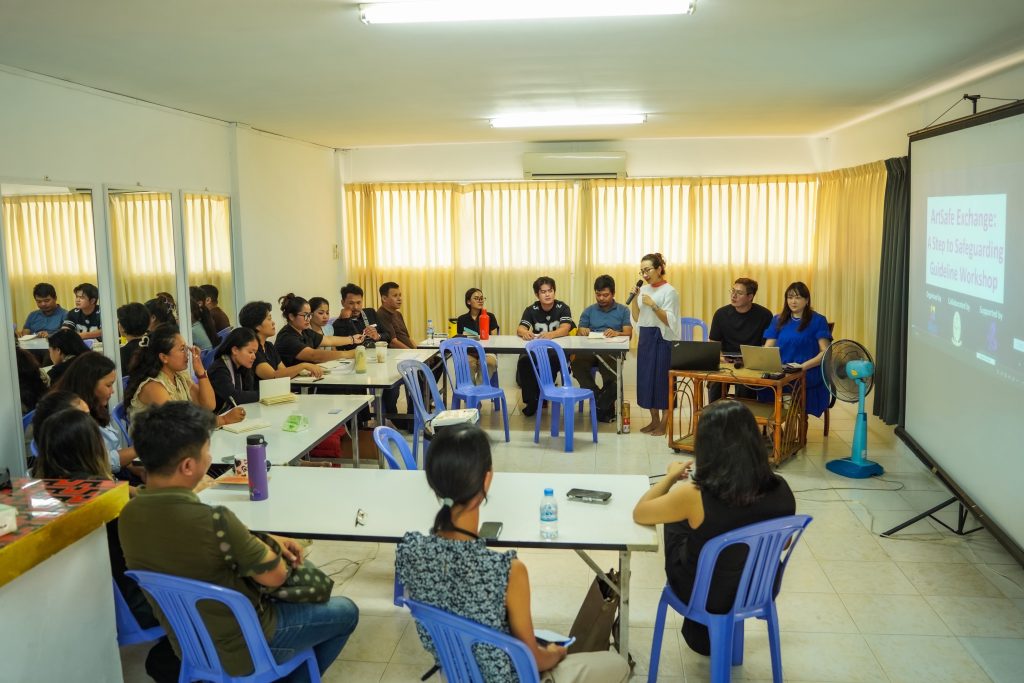
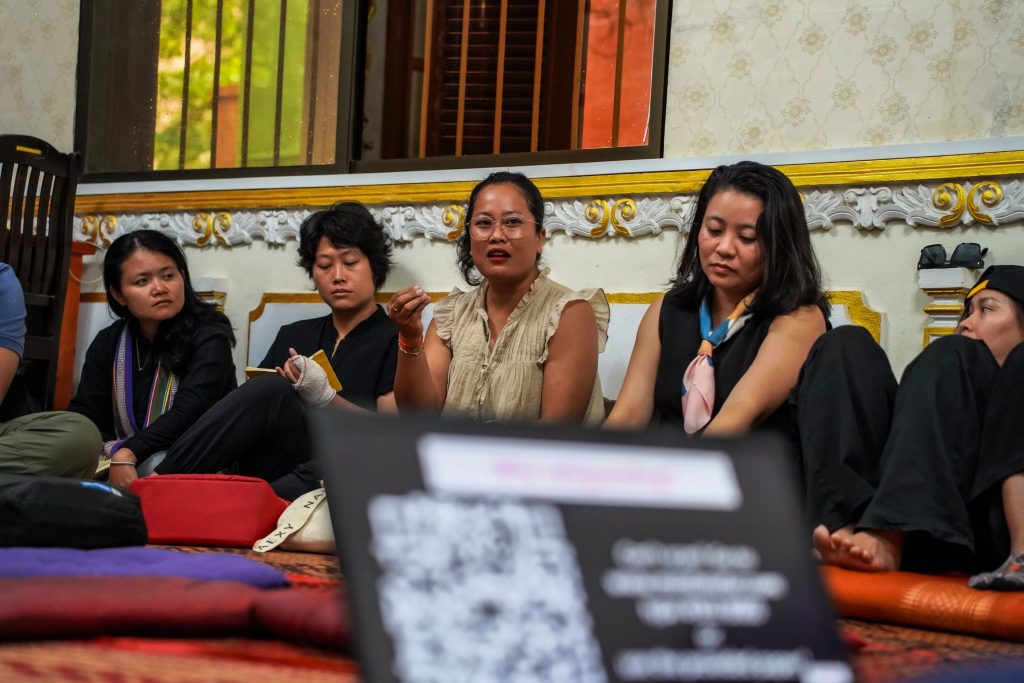
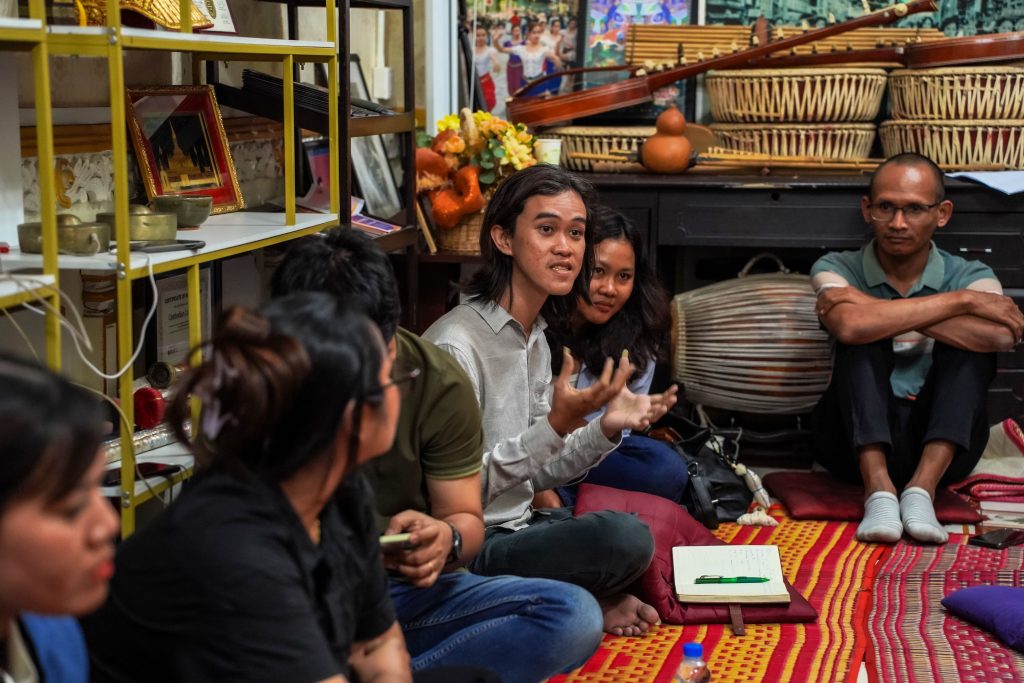
Building on this exchange, we convened another interactive workshop on bringing together 25 members from diverse CCI sectors. The workshop created a collaborative and open space for participants to reflect on lessons from Japan while grounding the discussion in Cambodia’s context. Participants actively shared their experiences, identified key risks and gaps in protection within the sector, and discussed practical measures to improve safety and professional standards.
The discussion highlighted around the importance of artists knowing and using their rights, arts workers’ challenges including working conditions, fair payment, working contract, toilets or rest room, proper changing rooms for performance artists, and social protection service to take care of their well-being.
The recommendations collected during the workshop will contribute to the development of safeguarding guidelines that can be adopted and practiced across Cambodia’s arts and cultural sector, helping ensure safer working conditions and stronger professional protections for artists and cultural workers.
Strengthening Rights Through Shared Learning
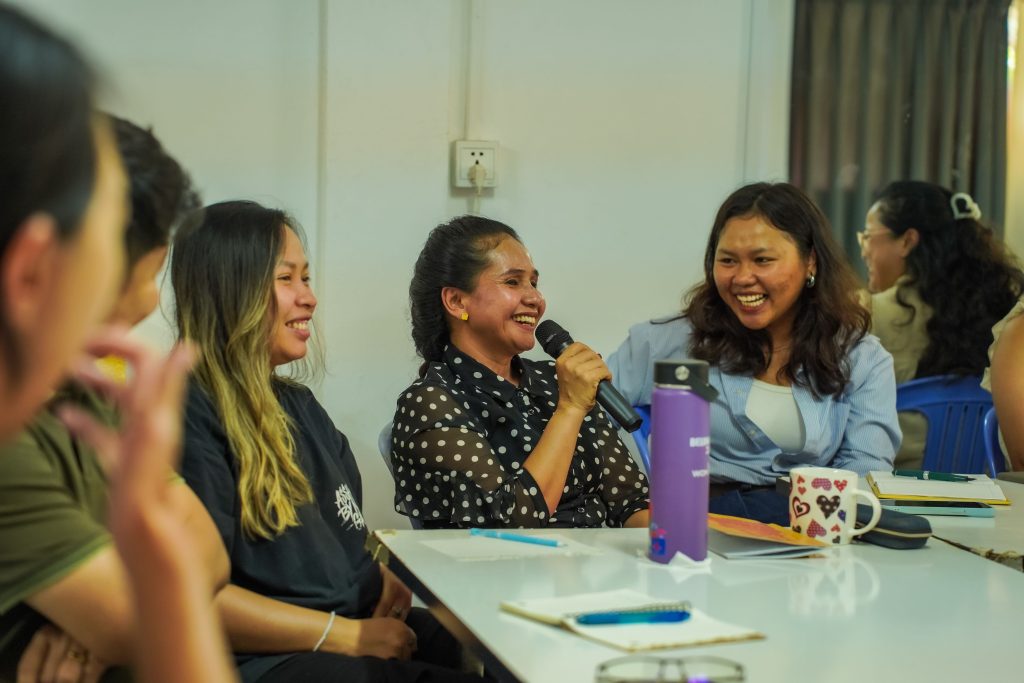
Participants shared that the workshop helped increase their understanding of the rights and safety of artists and cultural practitioners. Most participants agreed that safeguarding guidelines for artists and cultural workers are very necessary in Cambodia, and believed such guidelines could help address several challenges faced within the sector. All participants also expressed willingness to apply or promote safeguarding practices in their work.
This collaborative project highlights the importance of international knowledge exchange and solidarity between arts communities. By bringing together the experiences of Arts Workers Japan and Cambodia’s cultural practitioners, the initiative encourages collective action to strengthen rights, safety, and professional standards within the sector.